A flashy bottle cannot make up for a lifestyle built on ultra-processed food, poor sleep and too much alcohol. But the right drink can make a useful daily choice easier - and that is where healthy ageing drinks trends get interesting. The shift is not really about chasing eternal youth. It is about protecting the things that make life feel good as the years stack up: energy, digestion, strength, mental sharpness, social connection and the freedom to keep doing what you enjoy.
For people over 35 who are taking a proactive approach to health, drinks are no longer an afterthought. They are a chance to cut the liquid sugar, reduce alcohol and add something genuinely enjoyable to a better routine. The catch? The category is getting noisy. Plenty of products borrow the language of longevity while delivering little more than sweeteners, marketing and a hefty price tag.
Healthy ageing drinks trends: what is actually changing?
The biggest change is a move away from the old idea that a ‘healthy drink’ must taste medicinal or be packed with vague promises. People want big flavour, proper ingredients and a clear reason for choosing what is in their glass. They also want alternatives that hold their own at dinner, in the pub or at a Friday night gathering.
That is why fermented drinks, sophisticated alcohol-free serves, functional teas and protein-forward options are all gaining ground. They meet different needs, and none is a magic fix. Healthy ageing is not a single-ingredient project. It is the compounding effect of better choices, repeated for years rather than days.
The smartest approach is to ask a blunt question: does this drink replace something that was working against my health, or does it add value to a solid diet and lifestyle? Replacing three nightly beers with a delicious alcohol-free beer, sparkling tea or kombucha can be meaningful. Adding an expensive ‘wellness’ shot to the same old habits is less convincing.
Gut health is moving from niche to everyday
Gut health has become central to the conversation because it reaches far beyond digestion. The gut microbiome is involved in immune function and interacts with many systems in the body. That does not mean every gut-health claim on a label is proven, or that one bottle of kombucha will transform your life. It does mean that eating a varied, fibre-rich diet and regularly including fermented foods can be a sensible part of a long-term health plan.
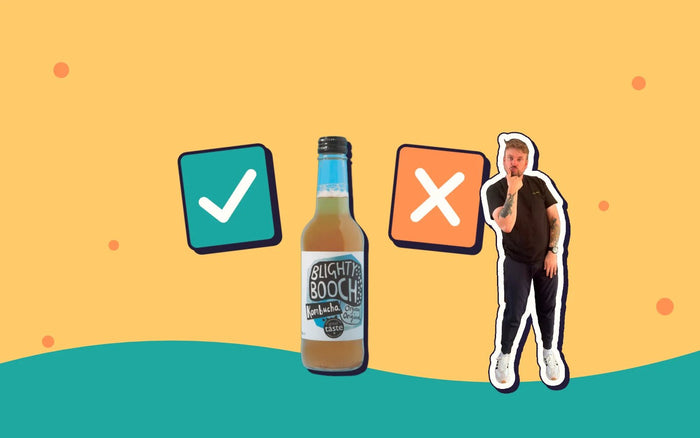
Kombucha fits this trend brilliantly when it is made with care. It offers lively acidity, complexity and refreshment that make a far better stand-in for a bland soft drink. Good kombucha is not just ‘healthy fizzy pop’. It is a fermented tea drink with character, and its flavour should be reason enough to reach for it.
There is a practical point here too. Not all kombucha is the same. Check the sugar content, serving size and whether it has been heat-treated after fermentation. A lower-sugar option with a short, recognisable ingredient list is usually a stronger everyday choice than a drink dressed up as functional but loaded with syrups. If you are new to fermented drinks, start with a small serving and see how your digestion responds.
At Functional Drinks Club, we are firmly in favour of better gut health as a foundation for better life outcomes. But we are not here for boring, worthy drinks. If it is going to replace a habit, it needs to taste brilliant.
Fibre is the next ingredient to watch
Prebiotic fibre is showing up in more drinks, often as chicory-root inulin, acacia fibre or resistant dextrin. The appeal is obvious: most UK adults do not get enough fibre, and fibre helps feed beneficial gut microbes. A drink with added fibre can help close a gap, particularly for people whose breakfast or afternoon snack is consistently low in plant foods.
Still, more is not automatically better. Large doses can cause wind, bloating or discomfort, especially if your usual diet is low in fibre or you have a sensitive gut. Build gradually, drink plenty of water and do not let a fibre drink become an excuse to ignore beans, oats, vegetables, nuts, seeds and fruit. The real win is diversity across your week.
Alcohol-free drinks are becoming a healthy ageing staple
Few drinks trends have more potential for healthy ageing than drinking less alcohol. This is not a call for joyless abstinence or a lecture about one glass of wine. It is a recognition that regular alcohol can disrupt sleep, add empty calories, affect mood and make it harder to stick to the habits you actually value.
The good news is that alcohol-free no longer means settling for supermarket boring. Independent makers are producing proper alcohol-free craft beers, botanical spirits, wines and sparkling alternatives with texture, bitterness and depth. They create a grown-up ritual without the next-day drag.
The trade-off is that some alcohol-free options are still high in sugar, while others can be surprisingly calorie-dense. Read the label and choose according to the moment. A rich alcohol-free stout may be a perfect occasional treat; a dry sparkling tea or sharp kombucha may work better as a regular weekday pour. What matters is finding something satisfying enough that you do not feel you are missing out.
The social side matters more than the ingredient panel
Healthy ageing is not just about biomarkers. Loneliness, isolation and feeling deprived are not a recipe for a good life either. The best alcohol-free drinks let you take part fully, whether you are out for dinner, hosting mates or winding down after work.
Make the serve feel intentional. Use a proper glass, add ice when it suits the drink and pair it with food. This is not about pretending your drink is alcohol. It is about giving your evening a ritual that supports how you want to feel tomorrow.
Protein and hydration are getting more grown-up
Maintaining muscle becomes increasingly important with age. Muscle supports strength, mobility, metabolism and resilience, particularly from midlife onwards. That is driving interest in ready-to-drink protein shakes, high-protein coffees and clear protein drinks.
Convenience has a place, especially after training, during a hectic workday or when appetite is low. But a protein drink is only useful if it helps you meet your overall needs without becoming a dessert in disguise. Look for a meaningful amount of protein, sensible sugar levels and ingredients you are happy to consume regularly. For many people, yoghurt, eggs, fish, tofu, pulses and meals built around whole foods should still do most of the heavy lifting.
Hydration is also being marketed with more sophistication, often through electrolyte blends. They can be useful after prolonged sweating, endurance exercise, illness or a long day travelling. For ordinary desk work and light activity, water, tea and water-rich foods are usually enough. You do not need to turn every glass of water into a neon sports drink.
Adaptogens, collagen and nootropics: keep your sceptical hat on
This is where healthy ageing drinks trends can veer into hype. Adaptogenic herbs, mushrooms, collagen, magnesium and nootropic blends are everywhere, often paired with claims about calm, focus, sleep or youthful skin.
Some ingredients have promising research behind them in specific contexts. Magnesium can be useful for people who do not get enough through diet. Certain mushroom extracts are being studied. Collagen peptides may offer modest benefits for skin elasticity or joint comfort for some people. But the evidence is rarely as dramatic as the branding suggests, and the dose in a canned drink may not match the dose used in studies.
Be especially cautious if you take medication, are pregnant or have a health condition. Herbs and concentrated extracts can interact with medicines, and ‘natural’ is not a synonym for risk-free. Choose products because you enjoy them and understand their role, not because a label implies they will fix exhaustion caused by a life running on empty.
Build a drinks routine that earns its place
A better drinks cupboard does not need to be complicated. Start by making your default drinks work harder for you. Keep water and unsweetened tea as everyday basics. Use kombucha or another fermented drink when you want flavour and a more interesting alternative to fizzy pop. Keep a few quality alcohol-free options for social occasions and evenings when old habits usually kick in.
Then add functional products with a clear purpose. A protein drink after a strength session is different from buying one because its packaging says ‘wellness’. An electrolyte drink after a long summer bike ride is different from sipping one while answering emails. Context beats trends every time.
The point is not to assemble a shelf full of miracle cans. It is to make better choices feel normal, pleasurable and repeatable. Choose drinks that support your gut, protect your sleep, help you cut back on alcohol and make you want to raise a glass to a longer, healthier life.