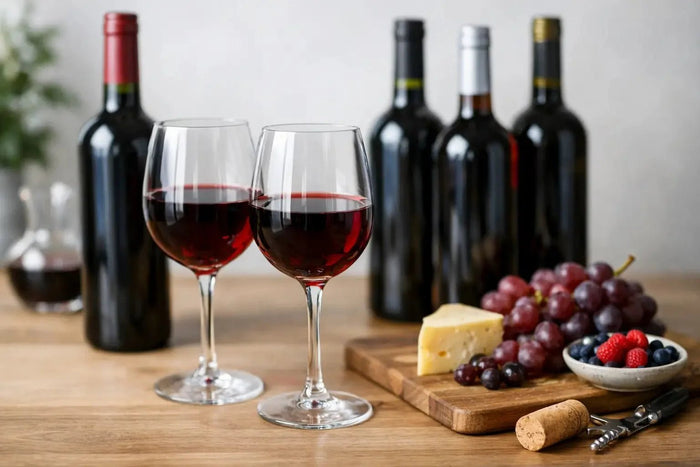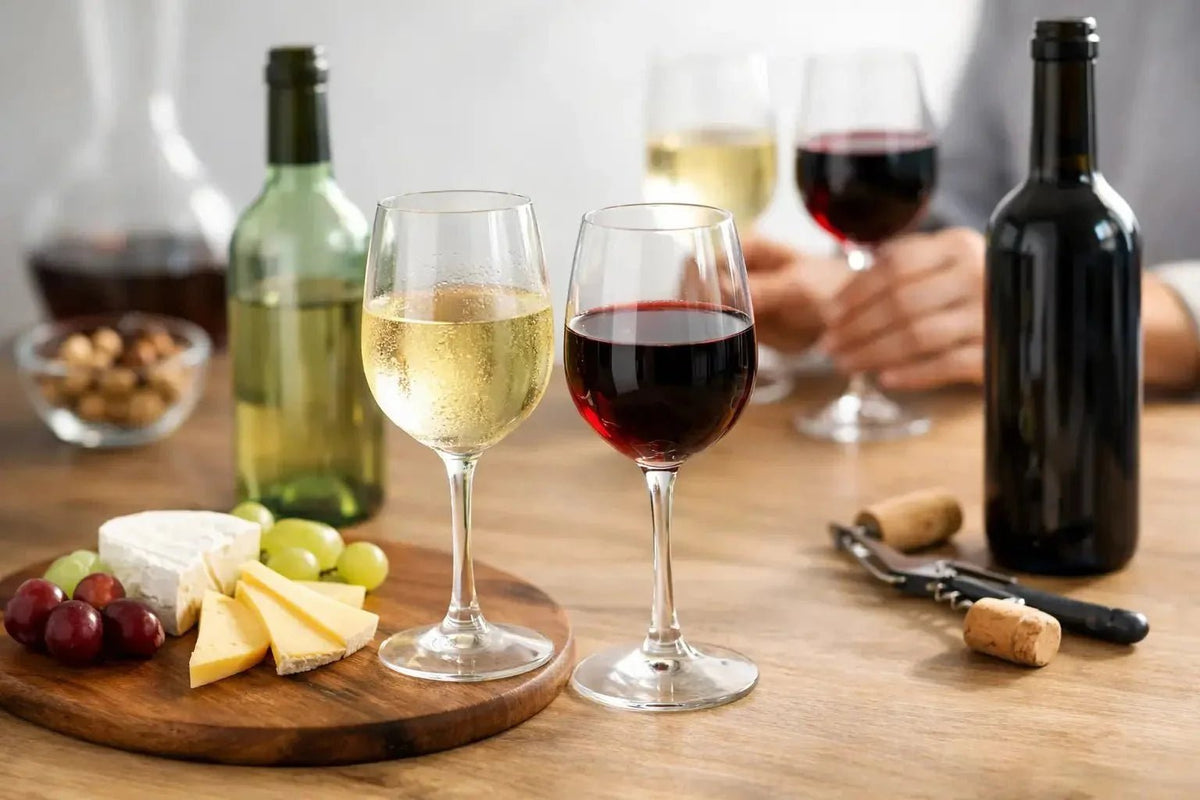
Most people give up on alcohol-free wine after one bad bottle. Fair enough. If your only experience is a watery supermarket red or a strangely sweet fizz pretending to be Prosecco, it is easy to think the whole category is a write-off. It is not. But if you want to know how to choose alcohol free wine, you need to stop shopping by label alone and start paying attention to what is actually in the glass. Browse the full non-alcoholic wine range online, or visit our Otley wine shop to taste before you buy.
Alcohol-free wine is not one thing. It covers sparkling wines, still whites, rosés and reds made from proper wine before the alcohol is removed. Some are crisp and convincing. Some are soft, fruity and easy-going. Some taste like grape juice wearing a dinner jacket. The difference usually comes down to style, structure and producer intent, not clever branding.
How to choose alcohol free wine without wasting money
The quickest way to get better results is to match the wine to the moment. A lot of disappointment comes from expecting one bottle to do everything. Alcohol-free sparkling works brilliantly as an aperitif because acidity and bubbles create lift. A fuller white can handle food. Red is often the hardest style to get right because alcohol usually carries body, warmth and length - once that is removed, flaws show up fast.
So before you buy, ask a basic question: what do you want this bottle to do? If it is for Friday night on the sofa, you might want something juicy and generous. If it is for a dinner party, balance matters more than obvious fruit. If it is replacing Champagne at a celebration, texture and dryness become a bigger deal than whether it tastes exactly like the alcoholic version.
That sounds obvious, but it is where most people go wrong. They buy the category, not the style.
Start with the grape and the wine style
If you already know what you enjoy in regular wine, use that as your anchor. Like Sauvignon Blanc? Look for alcohol-free whites with bright acidity, citrus and green fruit rather than broad tropical sweetness. Prefer Chardonnay? You may want something rounder, with a bit more texture. Rosé drinkers should decide whether they want pale and dry or fruit-forward and soft.
With reds, grape matters even more. Lighter styles tend to work better in alcohol-free form because they rely less on weight. A juicy Pinot Noir-inspired bottle can be more satisfying than a heavy Cabernet imitation that ends up tasting thin. If you love bold reds, you are not wrong to want depth, but be realistic - alcohol-free red still has a tougher job.
Sparkling is often the easiest place to start. Bubbles add energy, sharpen the finish and help hide some of the missing structure. If you are new to the category, a well-made sparkling alcohol-free wine is more likely to win you over than a still red chosen at random.
Sweetness is where good bottles win or lose
One of the biggest tells in alcohol-free wine is sugar. Some producers add sweetness to cover the gaps left when alcohol disappears. A little residual sugar can be useful, especially in sparkling wine or aromatic whites, but too much and the bottle tips into soft drink territory.
This is why reading the tasting note matters. Words like crisp, dry, mineral, zesty and fresh usually point towards a more grown-up style. Words like juicy, ripe, lush and fruity are not bad in themselves, but they can signal a softer profile. It depends what you like, and what you are serving it with.
If you want something for food, lean drier. Sweetness can flatten a meal and make the wine feel obvious. If you want a solo glass in the evening, a touch of fruit sweetness may make it feel more generous. The trick is not avoiding sweetness entirely - it is avoiding bottles that use sugar as a disguise.
Look for acidity, tannin and body
Good wine is not just about flavour. It is about structure. In alcohol-free wine, structure matters even more because that is what stops it feeling hollow.
Acidity gives white and sparkling wine shape. It is the snap that keeps citrus, apple and floral notes from turning flabby. Body gives the wine presence in the mouth. Tannin, mainly in reds, adds grip and a dry edge that makes the wine feel more serious and more suited to food.
When a bottle lacks all three, you notice. It tastes thin, short and forgettable. So when choosing, do not just focus on flavour notes like berries or peach. Look for clues about mouthfeel. Terms such as textured, crisp, layered, structured or grippy are useful. They suggest the producer is trying to make wine, not just an alcohol-free alternative.
That is also why independent producers often outperform mass-market labels. Smaller makers tend to care more about balance and less about bland crowd-pleasing. They are usually building a drink for people who still want ritual, flavour and proper grown-up complexity.
How to choose alcohol free wine for food
Food changes everything. A bottle that feels average on its own can come alive with the right dish, while one that seems fruity and charming solo may collapse at the table.
With lighter meals, crisp whites and dry sparkling wines are the safest bet. They work with salads, seafood, simple pasta and salty snacks because acidity keeps the pairing lively. Rosé can be brilliant with picnic food, mezze or spicy dishes, especially if it has enough freshness to avoid going jammy.
Red needs a bit more care. If the bottle is light and low in tannin, pair it with tomato-based dishes, mushrooms, roast veg or charcuterie-style spreads. Do not expect every alcohol-free red to stand up to a rare steak. Some can, many cannot. That is not failure - it is just a different strength profile.
For richer meals, look for alcohol-free wine with savoury notes, grip and some weight. If the producer talks about spice, oak influence, dark fruit or a long finish, that is usually a good sign. If the description sounds more like cordial than wine, move on.
Ignore the old idea that expensive always means better
Price helps, but only to a point. Alcohol-free wine can be surprisingly costly because proper production is not cheap. You still have vineyard work, winemaking, dealcoholisation and packaging. So yes, the very cheapest bottles are often disappointing. But the most expensive bottle is not automatically the best one for you.
A smarter way to buy is to trust curation. Retailers who actually taste widely and back independent makers are more useful than endless supermarket shelf options. This category still needs guidance. There is too much bland, over-sweet, under-structured liquid being sold on the promise of wellness alone.
That is the wrong lens anyway. Health matters, of course. Cutting back on alcohol can support better sleep, steadier energy and a more intentional social life. But if the drink is miserable, you will not stick with it. Taste comes first. Otherwise it is just another worthy purchase gathering dust in the fridge.
Common mistakes when choosing alcohol free wine
The first mistake is expecting it to taste identical to full-strength wine. Sometimes it gets close, but not always. The better question is whether it delivers enough character, balance and occasion-worthiness to satisfy you on its own terms.
The second is buying by packaging. Minimalist labels, gold foil and fancy bottle shapes mean nothing if the liquid is flat. The third is ignoring serving temperature. Alcohol-free wine often tastes better properly chilled, especially whites, rosés and sparkling bottles. Reds can benefit from being served slightly cool rather than warm - it sharpens the fruit and improves structure.
Another common error is writing off the whole category after trying one style. If you had a disappointing red, switch to sparkling. If a sweet rosé put you off, try a sharper white. The category is uneven, but that does not mean there are no gems.
What a good bottle should make you feel
This sounds less technical, but it matters. A good alcohol-free wine should still feel like a treat. It should have a bit of ceremony. It should give you something to sip, think about and come back to. The best bottles are not trying to be apology drinks for people missing out. They are built for people who still want flavour, texture and social ritual without the booze.
That shift in mindset makes choosing easier. You are not hunting for a sad substitute. You are looking for a drink with standards.
At Functional Drinks Club, that is the line we care about most. No compromise, no supermarket boring, no pretending all alcohol-free wine is equally good. Some bottles earn a place at the table. Some do not.
If you are still figuring out how to choose alcohol free wine, start with your own taste, be ruthless about sweetness, and give extra credit to bottles with real structure. Once you find a producer that gets the balance right, the category starts to make a lot more sense. And when it does, cutting back stops feeling like giving something up at all.